For Homes
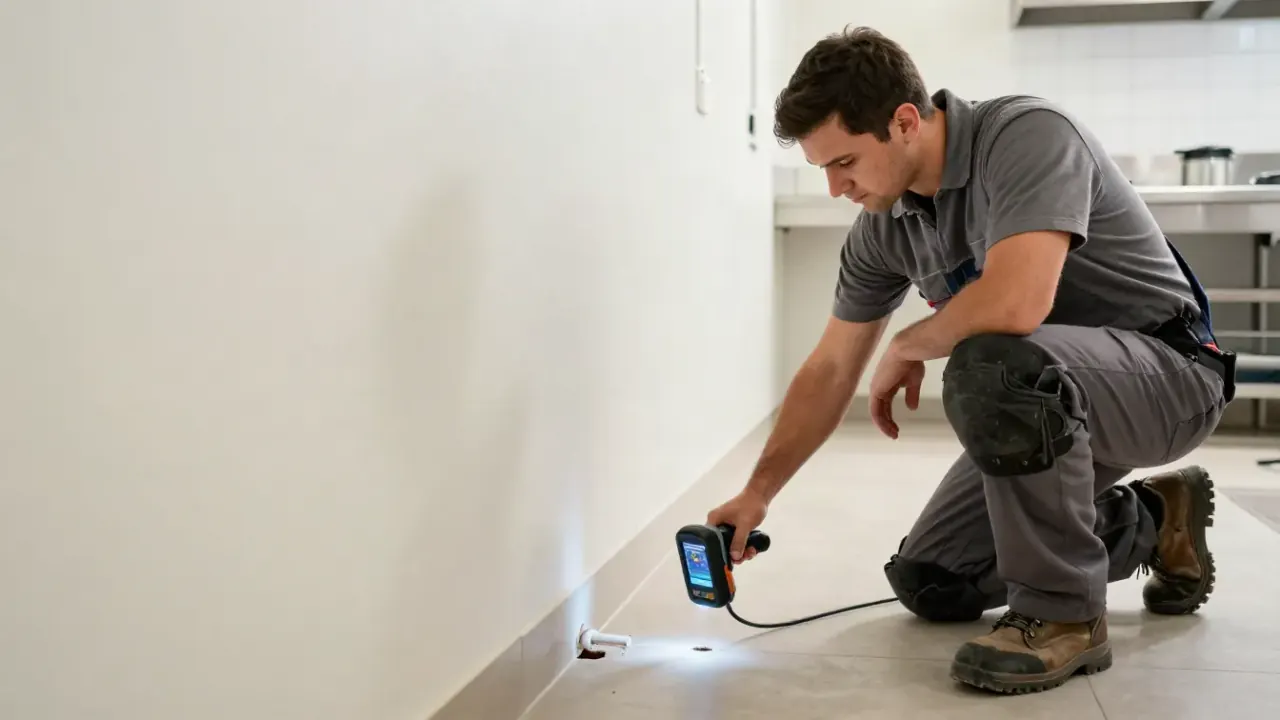
We trace leaks in ceilings and walls for homeowners and tenants. You get a marked location and a written report.
- Ceiling stains after rain
- Musty smell in a room
- Water bill jumped
Ceiling and Wall Leak Tracing Wellington FL pinpoints hidden water leaks behind drywall and above ceilings using thermal imaging cameras and acoustic listening devices. If you see water stains, smell damp drywall, or your water bill jumped, we trace the source and stop the damage before it spreads. We serve homeowners across Palm Beach County with same-day appointments and honest, upfront pricing.
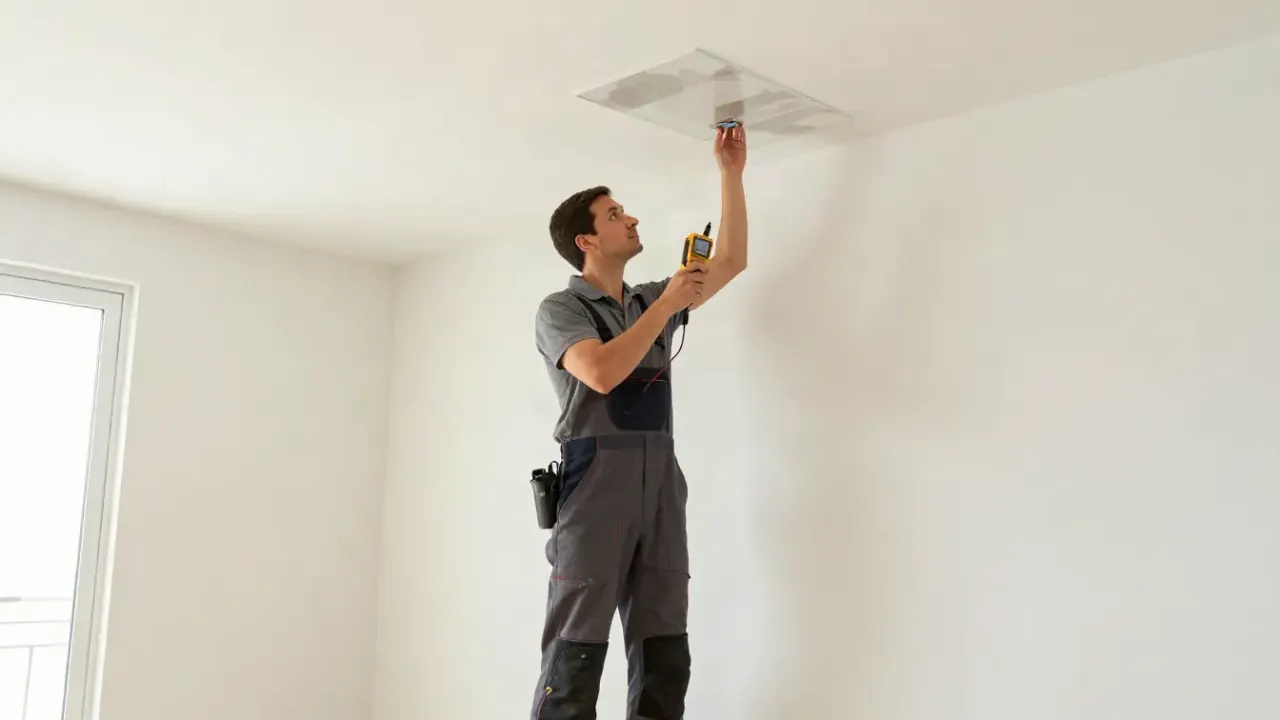 Scan ceilingsCheck wallsMark the leak
Every tracing job includes a full instrument sweep, a marked leak location, and a written summary with photos. We tell you what we find and what it will take to fix it. Repair work is priced separately so you can decide what you want us to handle.
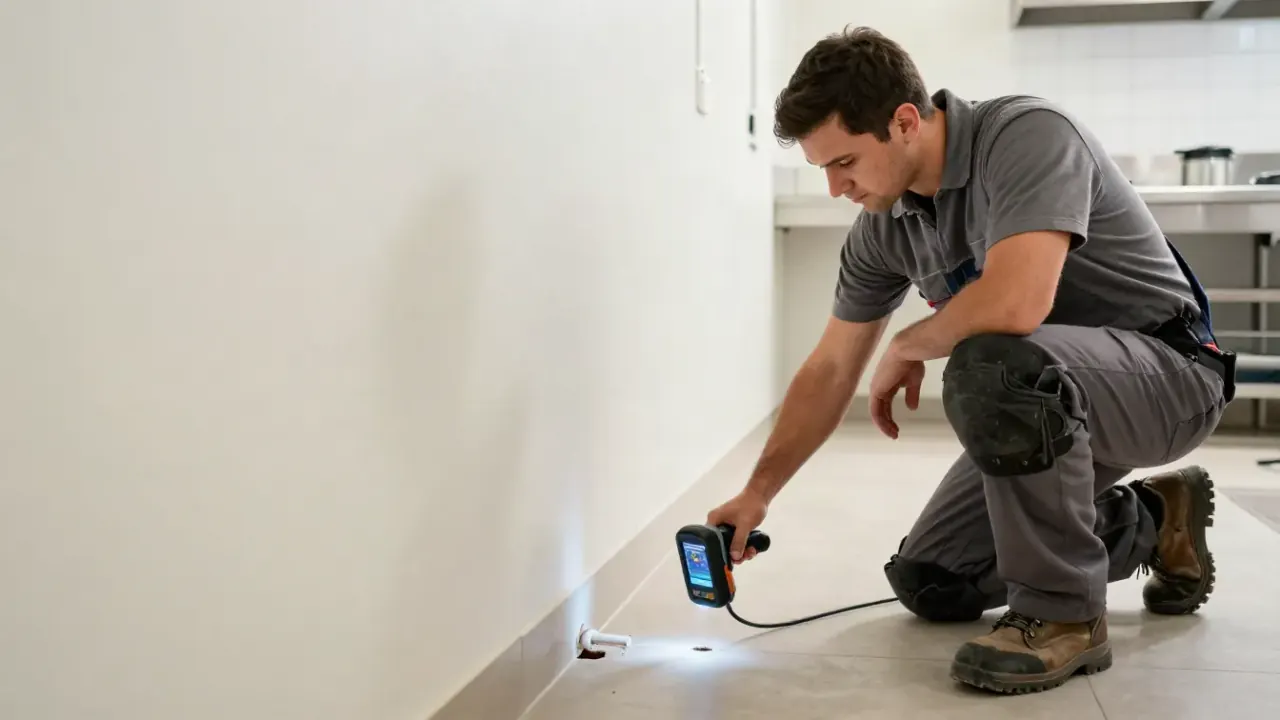
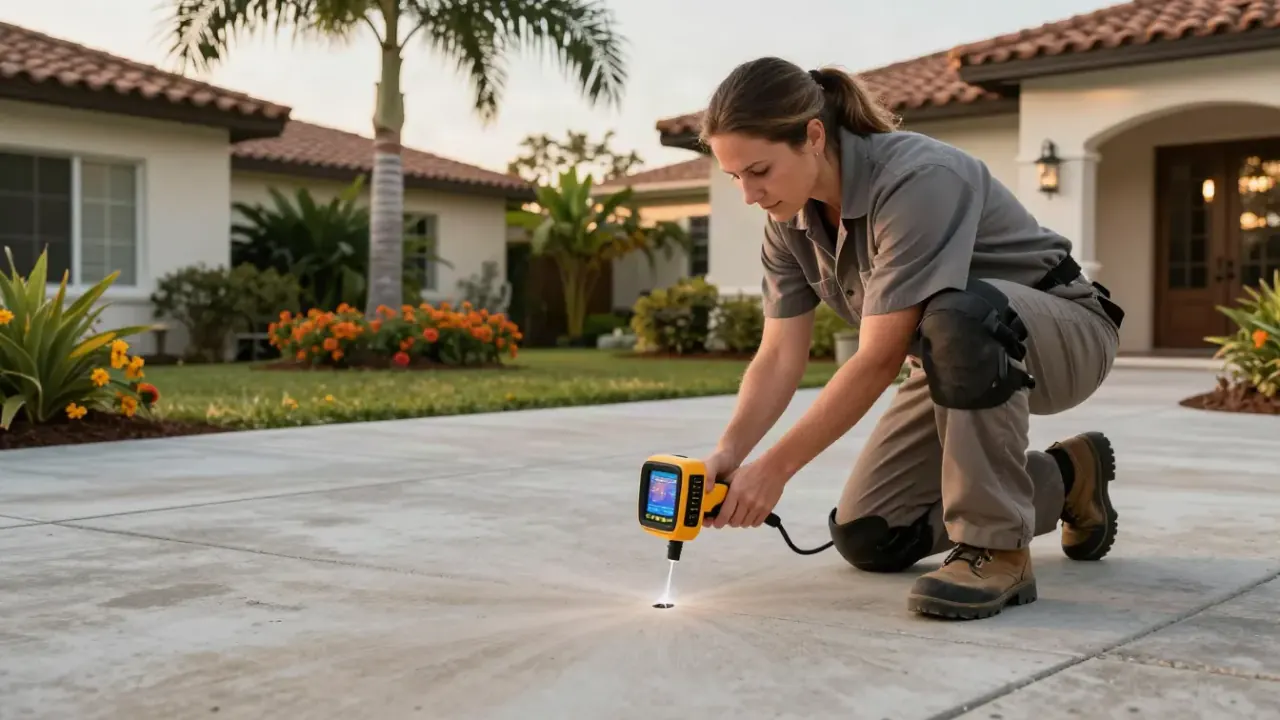
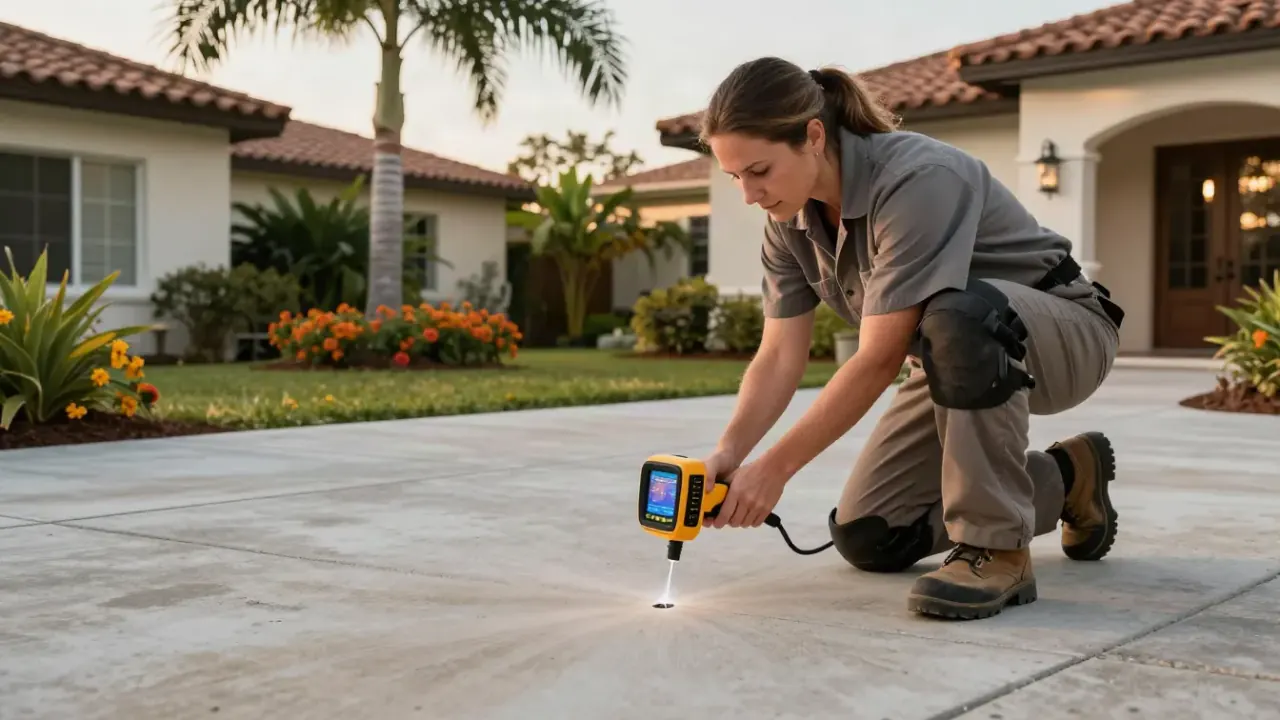
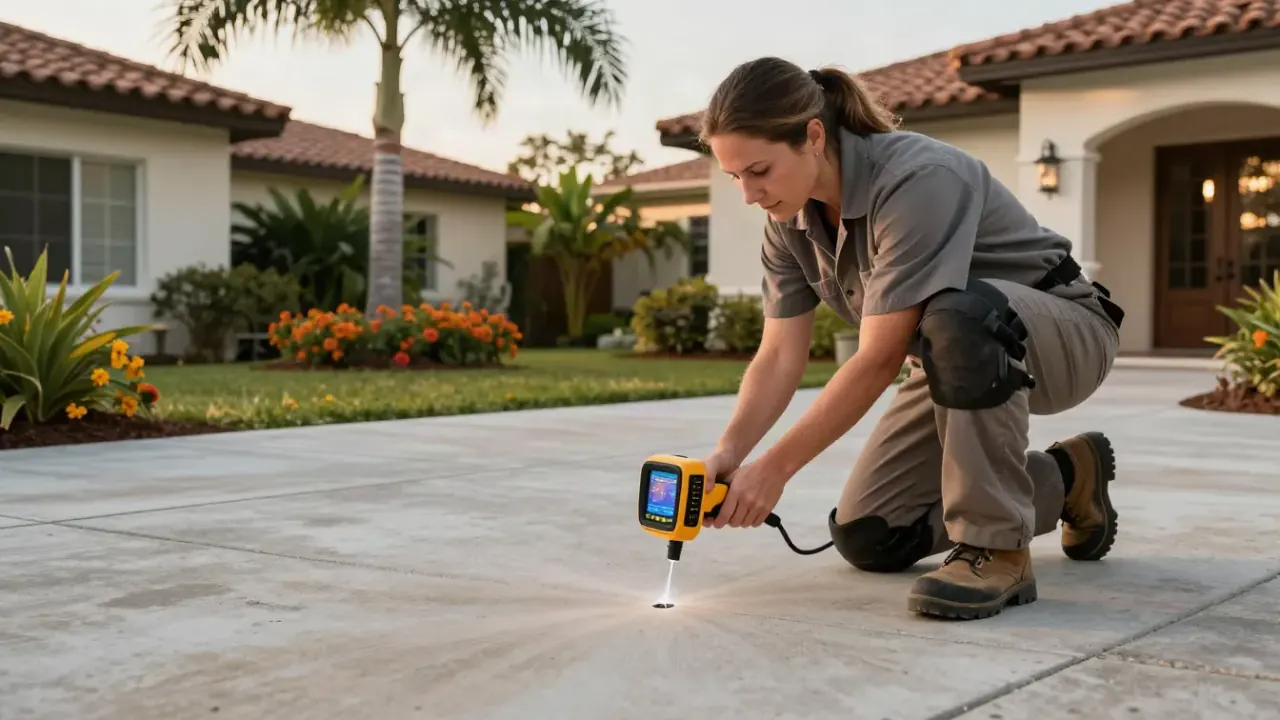
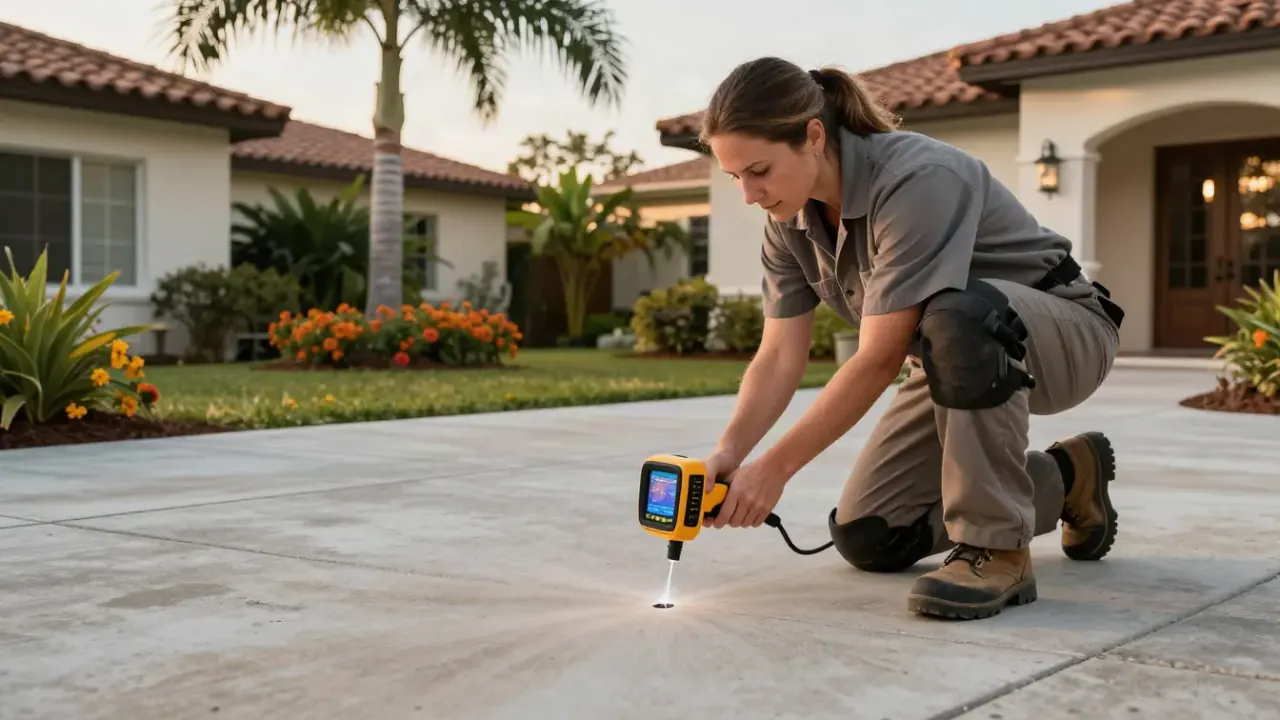
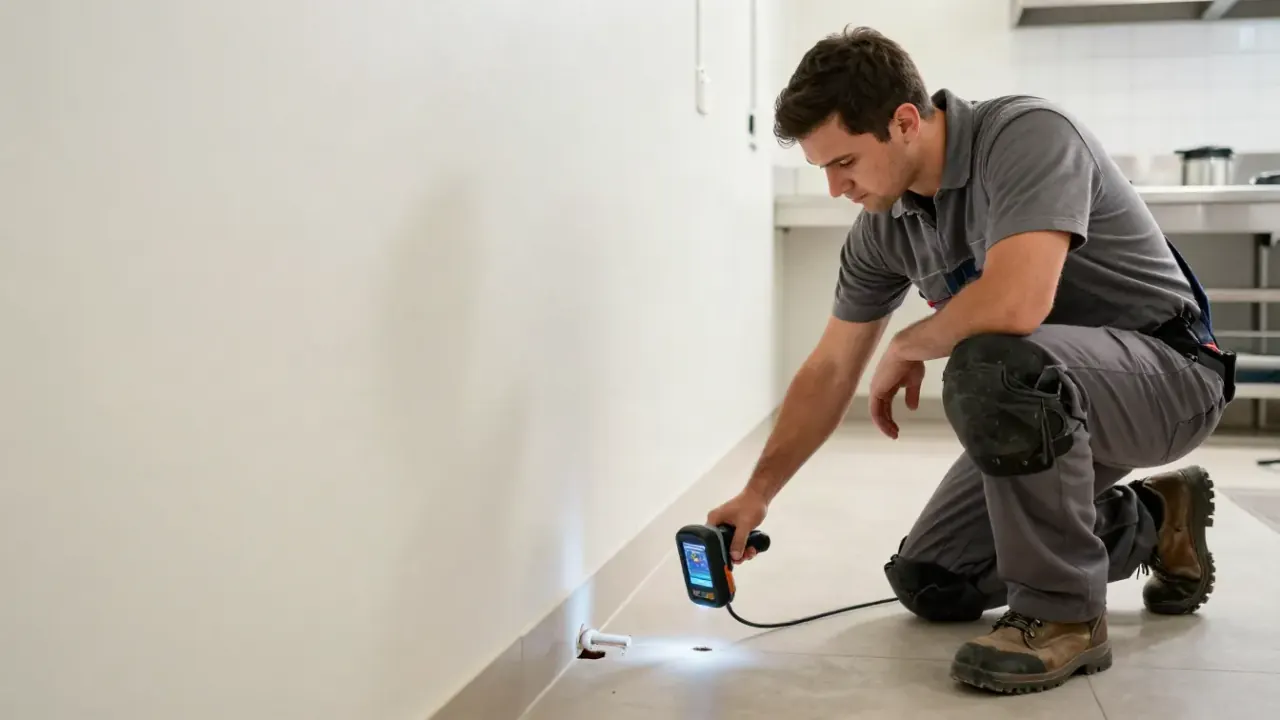
We scan the affected ceiling and walls with a FLIR thermal imaging camera to find temperature differences caused by moving water. This step covers up to two rooms and takes about 30 minutes.
Acoustic listening devices and Fluke moisture meters confirm the exact leak location. We take readings at multiple points to map how far the water has traveled inside the wall cavity.
We use electromagnetic pipe locators to trace the supply and drain lines behind the wall. That tells us whether the leak is in a copper pipe, PEX tubing, or a drain fitting before we open anything.
We mark the leak point with tape and show you the thermal images on screen. You see exactly where the problem is and how big the access hole needs to be.
You get photos, moisture readings, and a diagram of the leak path. Use it for your insurance claim or to get accurate repair bids from any plumber.
If you want us to fix the leak, we give you a written price before we start. If you prefer your own plumber, we hand over the report and you are free to use it.
The approach is the same for a home and a business. What changes is the access, the schedule and who needs the paperwork.
We trace leaks in ceilings and walls for homeowners and tenants. You get a marked location and a written report.
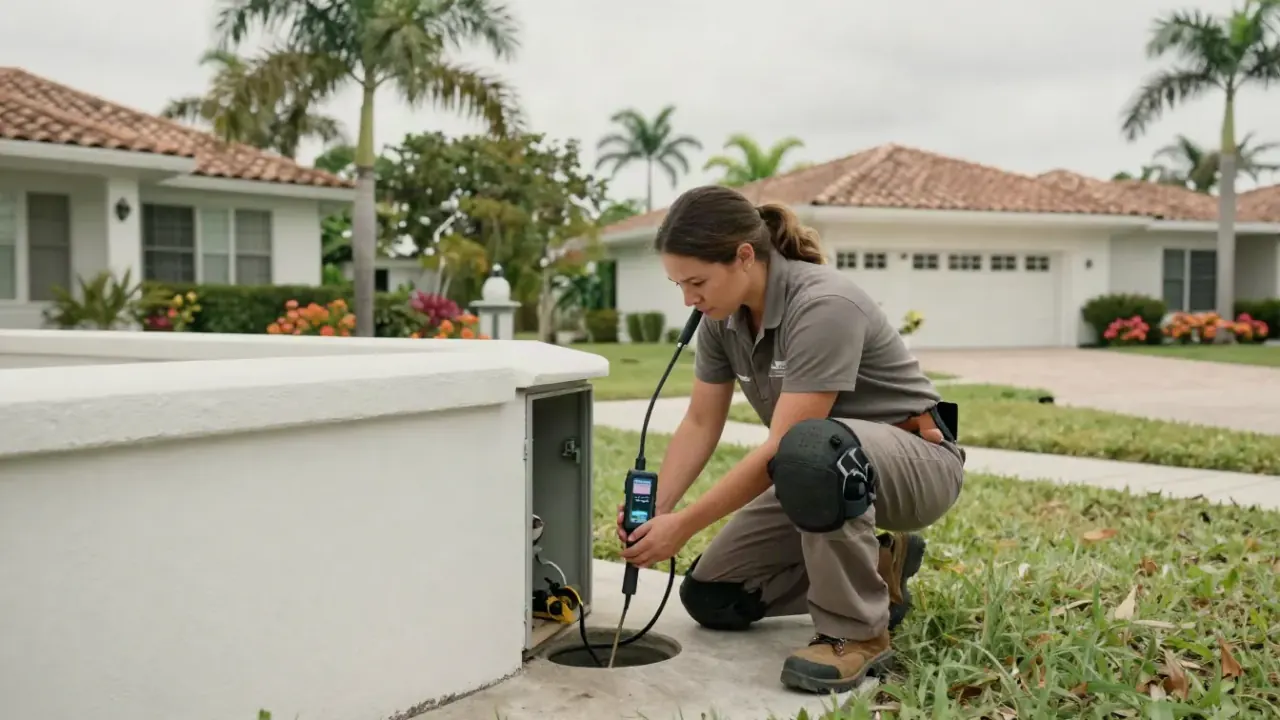
We trace leaks in commercial ceilings and walls for owners and property managers. Work is scheduled around your business hours.
A plain-language look at what Ceiling and Wall Leak Tracing involves and when it is needed.
See how it worksCeiling and Wall Leak Tracing Wellington FL is a non-invasive leak location service that finds hidden water leaks behind drywall, above ceilings, and inside wall cavities without demolition. We use thermal imaging cameras, acoustic listening devices, moisture meters, and tracer gas leak detectors to follow the water back to its source. Most tracing jobs take two to four hours, and we tell you exactly where the leak is before anyone picks up a saw. Once we mark the spot, we explain your repair options and give you a written price.
Wellington homes deal with ceiling and wall leaks year-round. Summer afternoon storms push water through aging roof flashing, and the humidity keeps wall cavities damp long after the rain stops. Copper pipe pinhole leaks and failing CPVC fittings behind bathroom walls are common in homes built during the 1980s and 1990s. If you need ceiling leak tracing near me, we cover Wellington and the surrounding communities.
Finding the leak first keeps the repair small and the drywall intact.
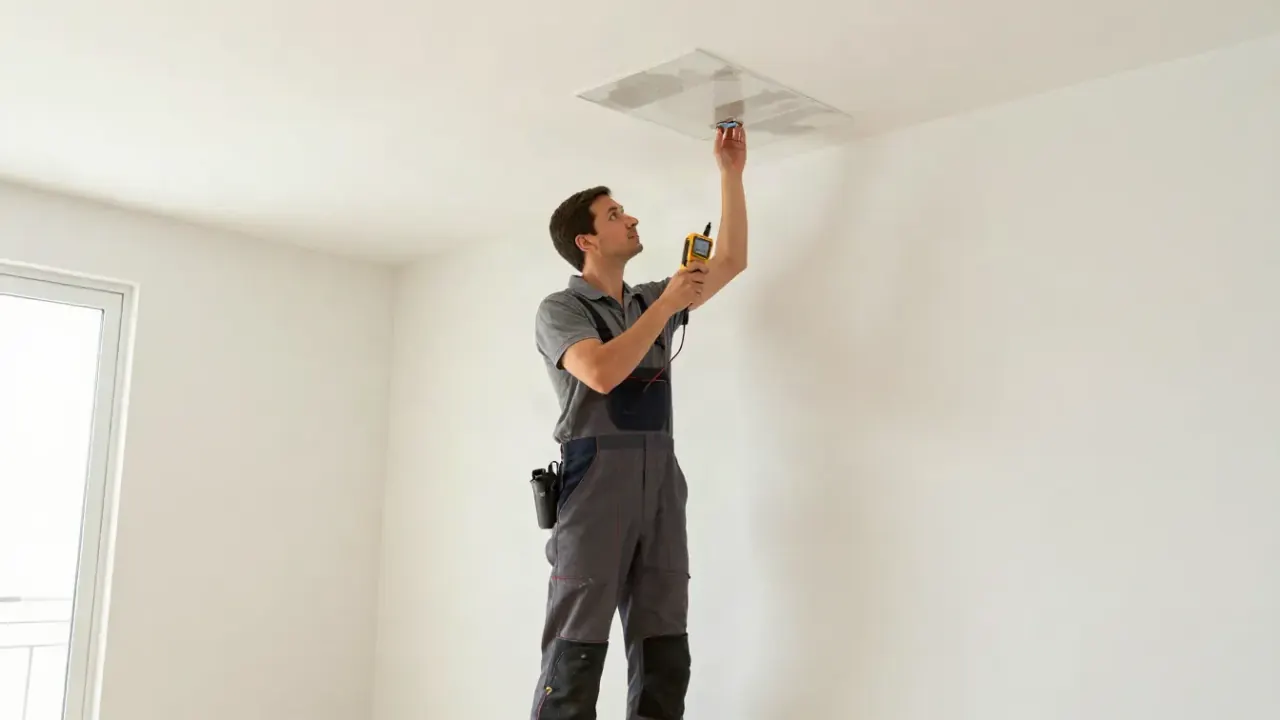
We follow the same five steps on every ceiling and wall leak job. You will know what is happening and what it costs before we start any repair.
You call (561) 760-4218 and describe what you see. We ask where the stain is, how big it is, and whether it grows when it rains. That five-minute conversation tells us whether to bring a thermal camera, a tracer gas kit, or both. We book a two-hour arrival window and text you when we are on the way.
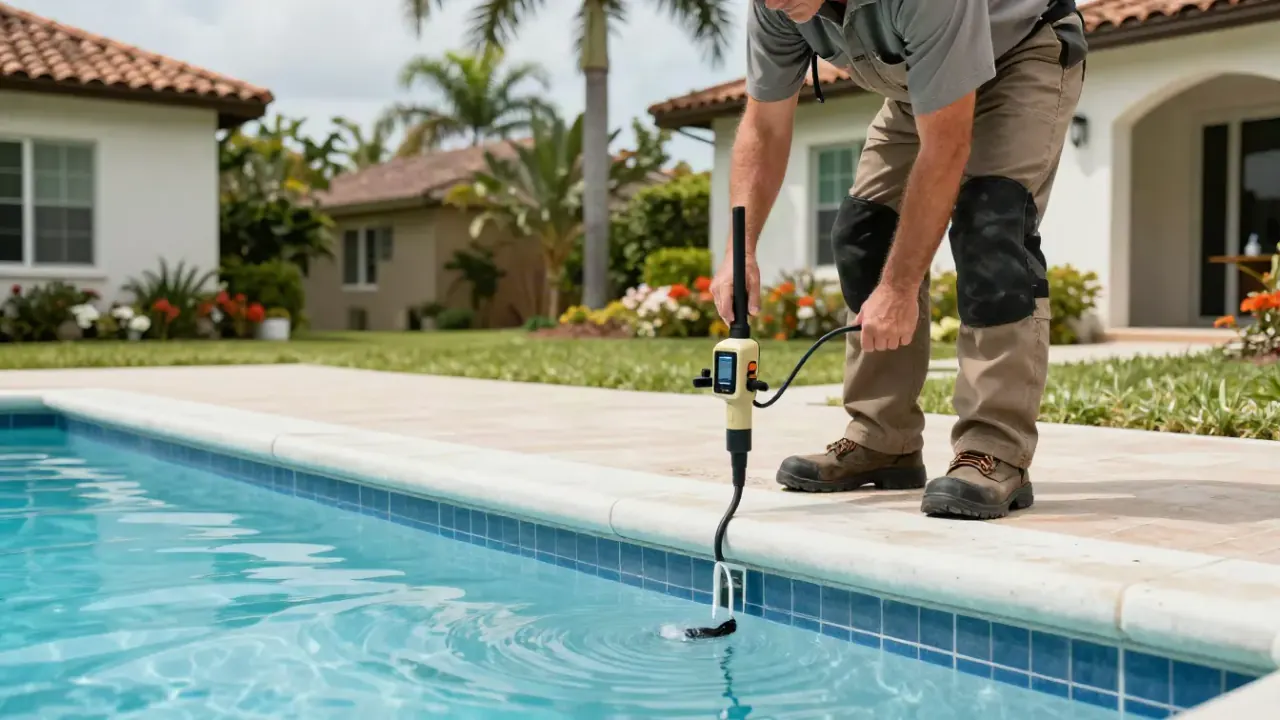
Our technician walks the room with you and looks at the stain, the baseboards, and the floor. We check the water meter to see if the leak is on the pressurized side or the drain side. This step takes about 15 minutes and narrows the search area before we bring in the electronics.
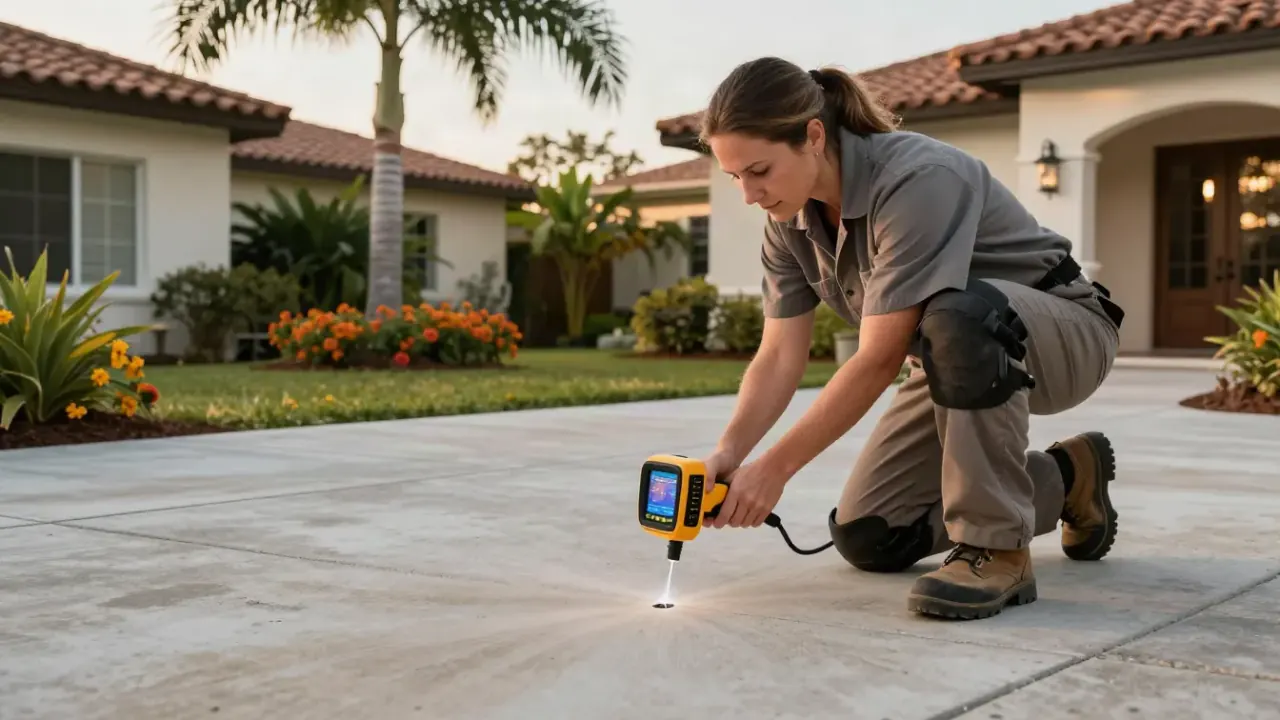
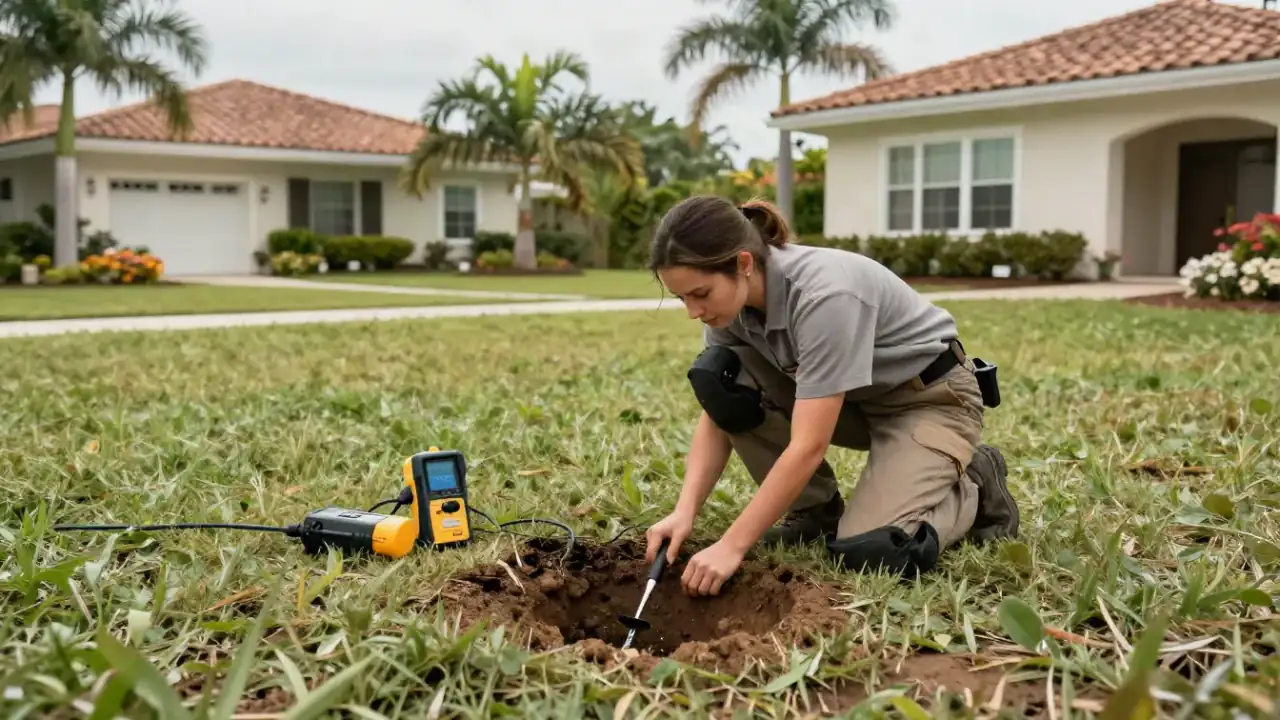
We scan the ceiling and walls with a FLIR thermal imaging camera to find temperature differences caused by moving water. Then we use an acoustic listening device and moisture meters to confirm the exact spot. On slab or underground lines we add a Sewerin tracer gas leak detector. This is the step that saves your drywall.
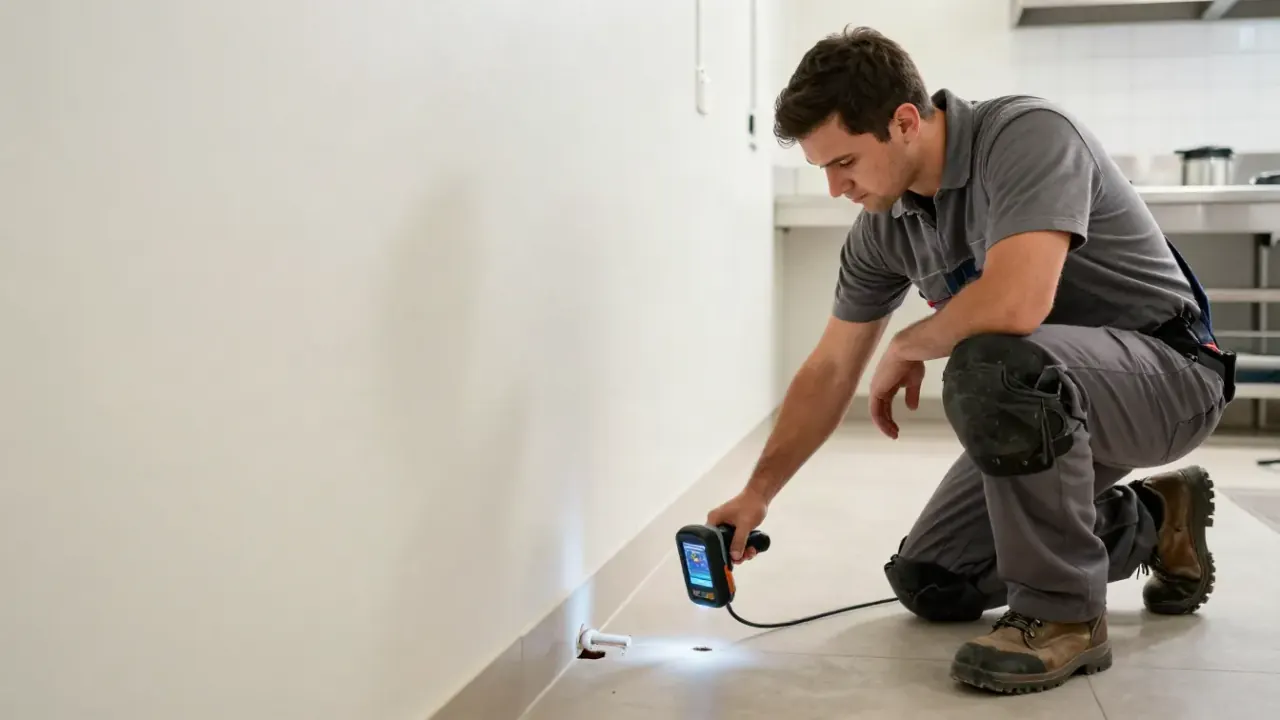
We mark the leak location with tape and show you the thermal images on screen. You see the cold spot, the moisture reading, and the pipe path. We explain whether the leak is in a copper pipe, PEX tubing, or a drain line, and what the repair involves. No surprises, no pressure.
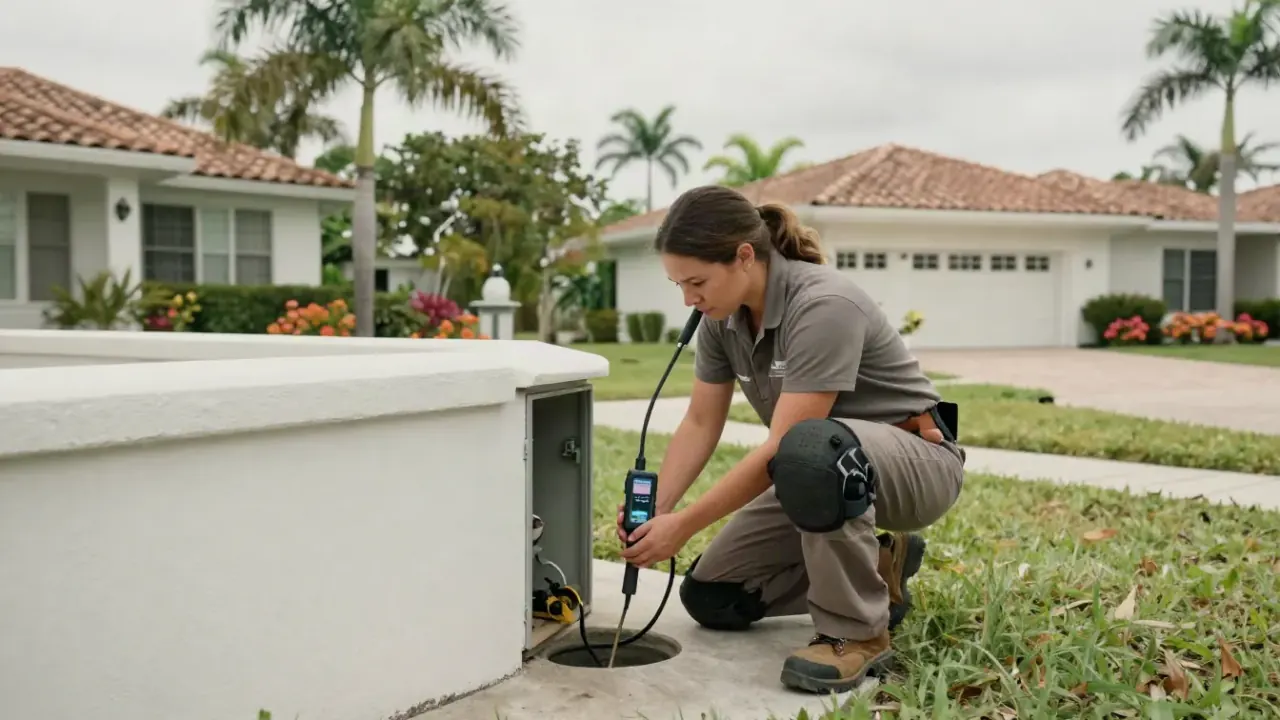
If you want us to handle the pipe leak repair, we give you a written price on the spot. If you are using your own plumber, we hand over the photos and the marked diagram. Either way, we re-test the line after the repair to confirm the leak is gone before we pack up.
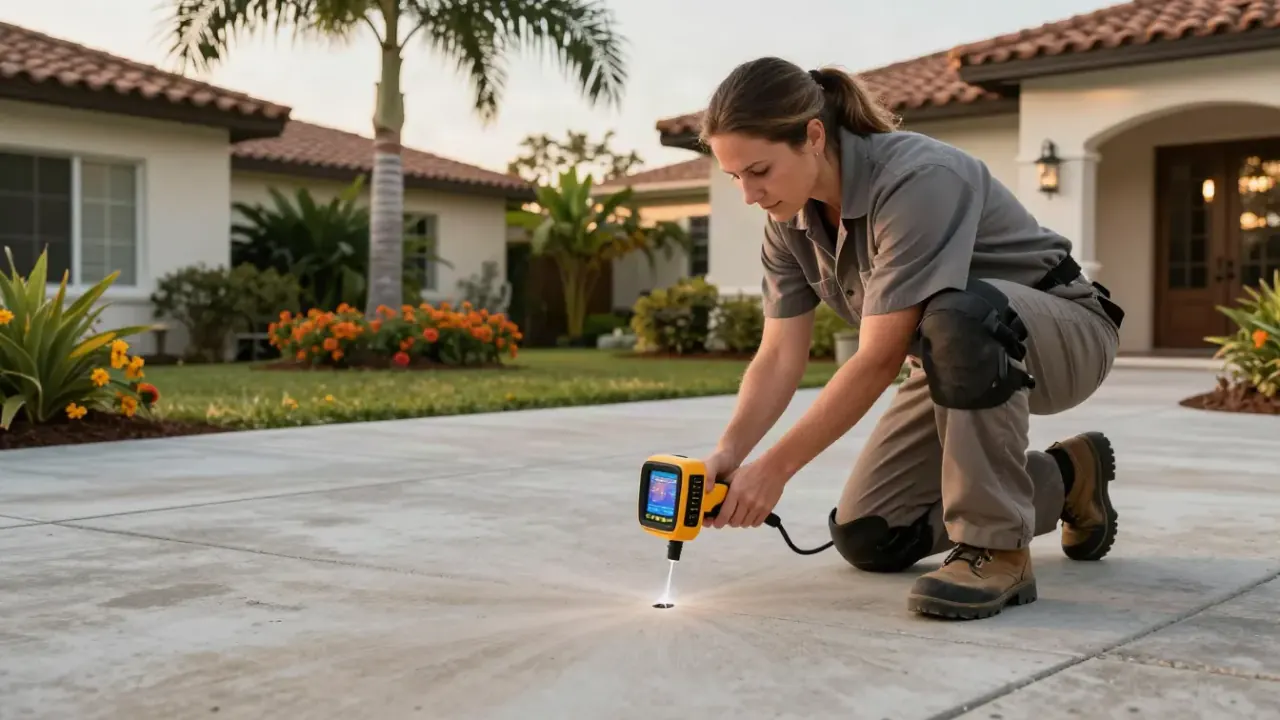
Move across a circle, or focus it and press Enter, for an illustrative thermal view of the photograph.
Detects temperature differences caused by moving water behind drywall and above ceilings. It shows us the leak path without opening anything.
Amplifies the sound of water escaping a pipe so we can pinpoint the exact leak location inside a wall cavity.
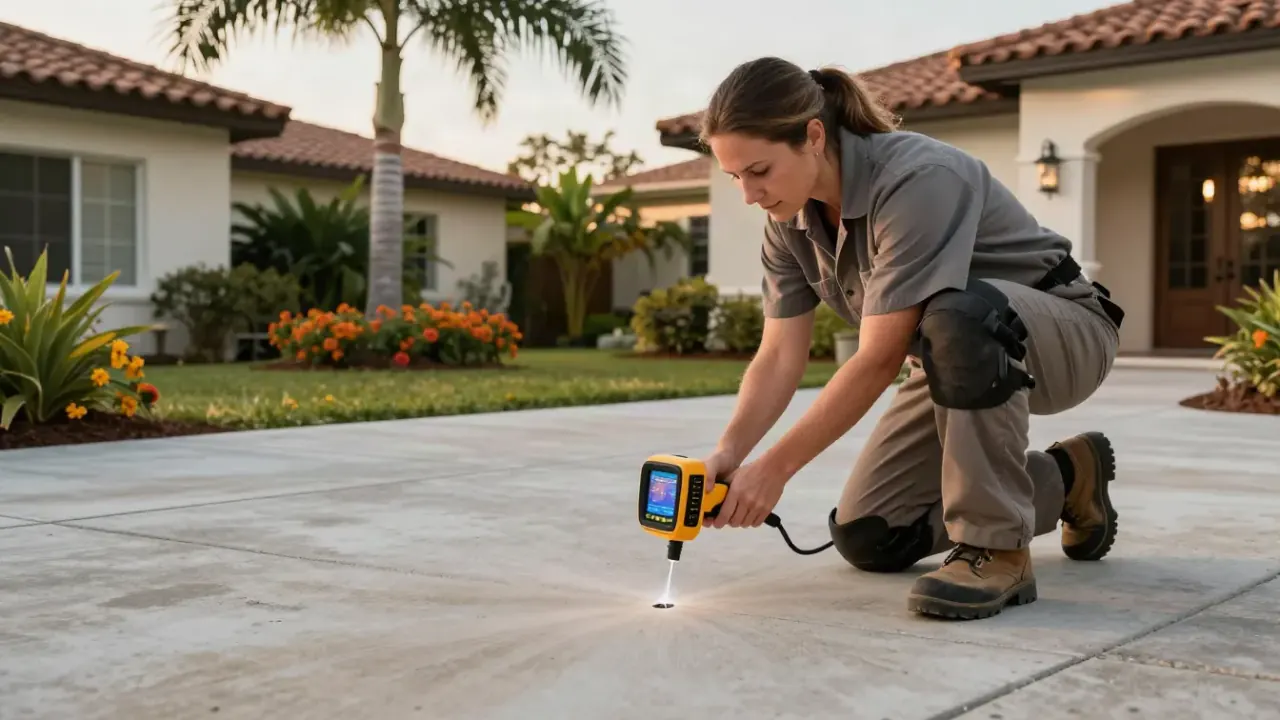
Used on slab and underground lines to confirm a leak when thermal and acoustic readings are inconclusive.
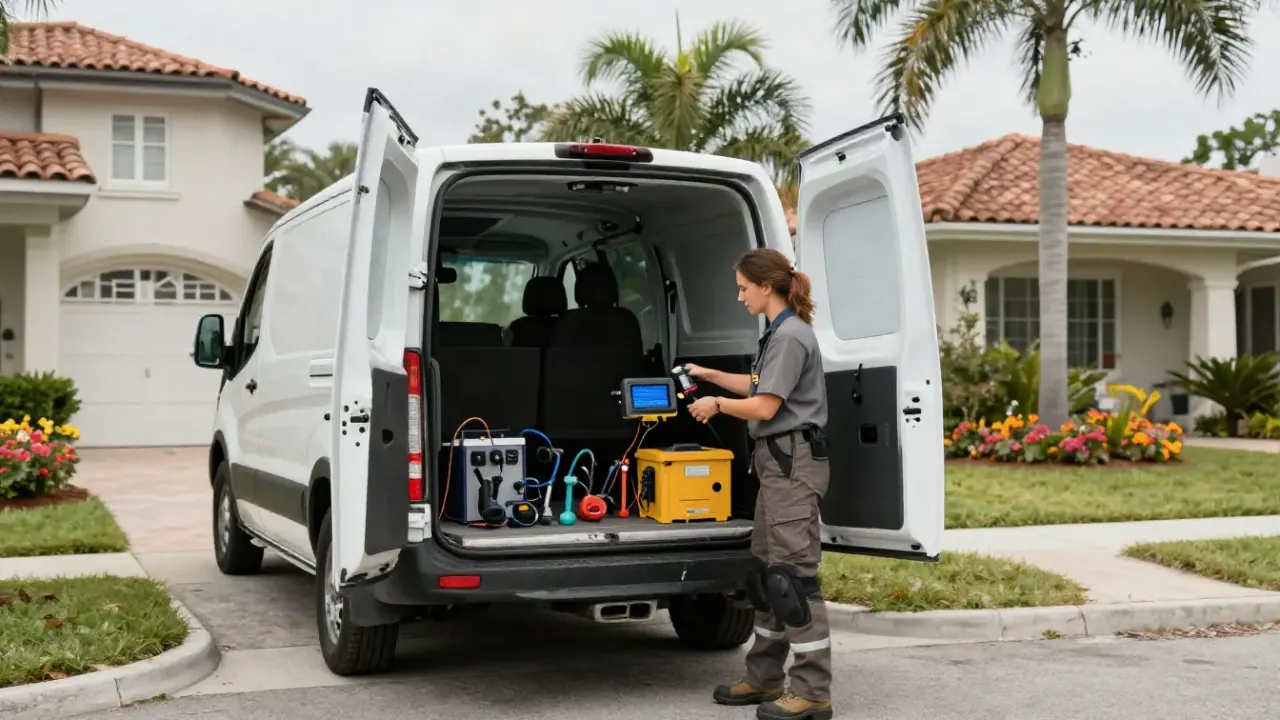
Measures moisture content in drywall, wood framing, and insulation to map how far water has traveled.
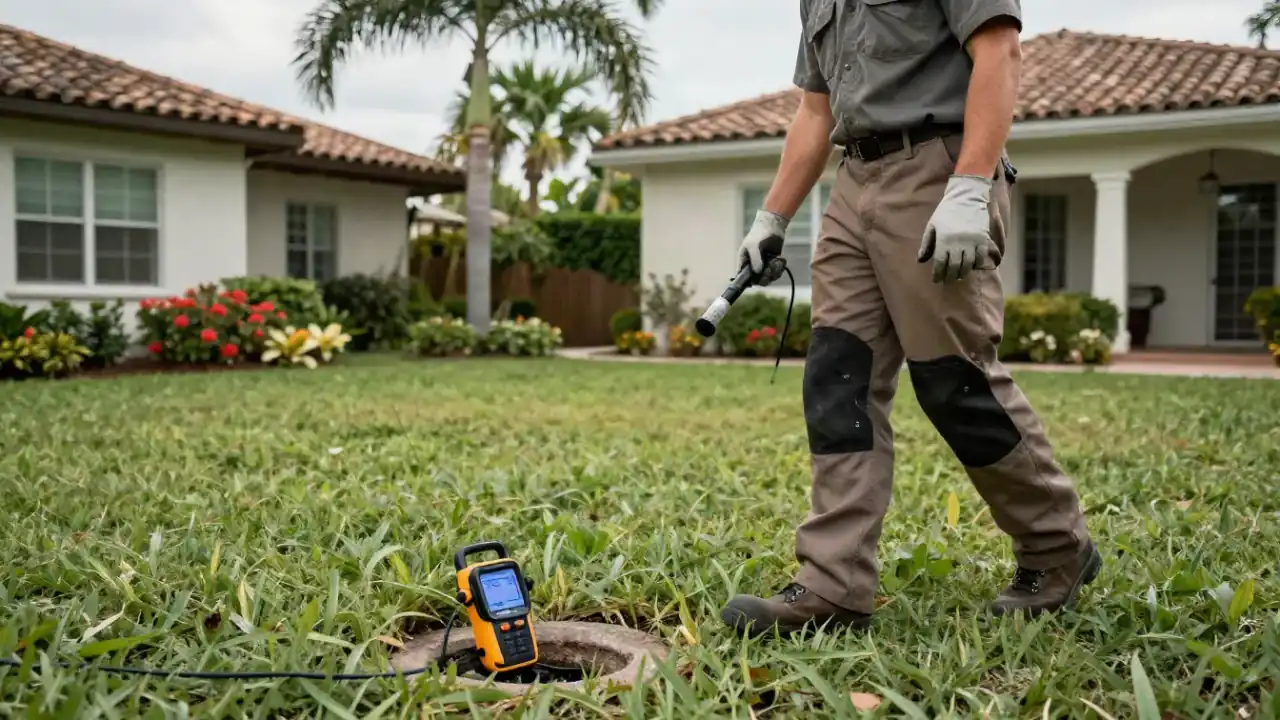
Traces the path of copper and metal supply lines behind walls and under slabs so we know where to scan.
Thermal views are illustrative, generated from the photographs.
Inspects drain lines inside walls to rule out a sewer or drain leak that mimics a supply leak.
We scan the ceiling and walls with a thermal camera to find cool spots caused by evaporating water.
Once we have a general area, we use an acoustic listening device to narrow the leak to a 6-inch zone. This step tells us exactly where to open the wall and keeps the access hole small.
We isolate sections of the plumbing system and watch the pressure gauge. A drop tells us which line is leaking, whether it is a supply line, a drain, or an irrigation zone.
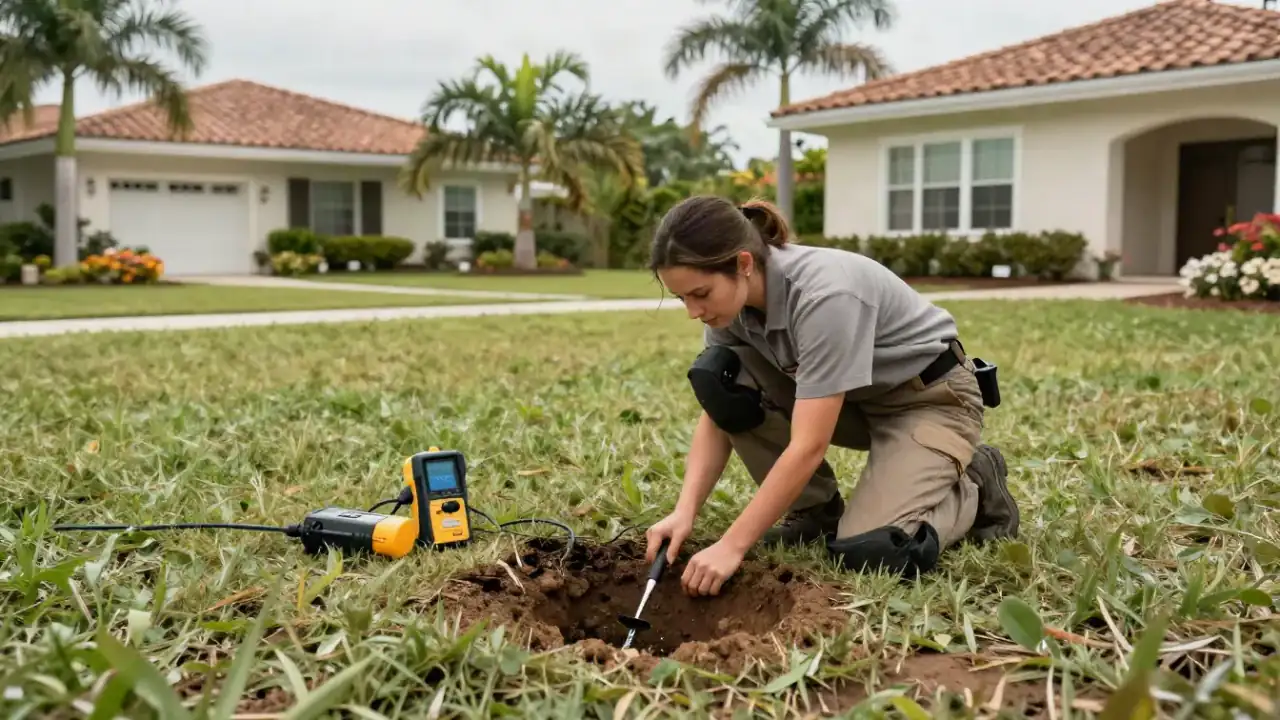
For slab leaks and underground lines, we inject a harmless tracer gas into the pipe and use a Sewerin detector to find where it escapes. This method works when thermal imaging cannot see through the slab.
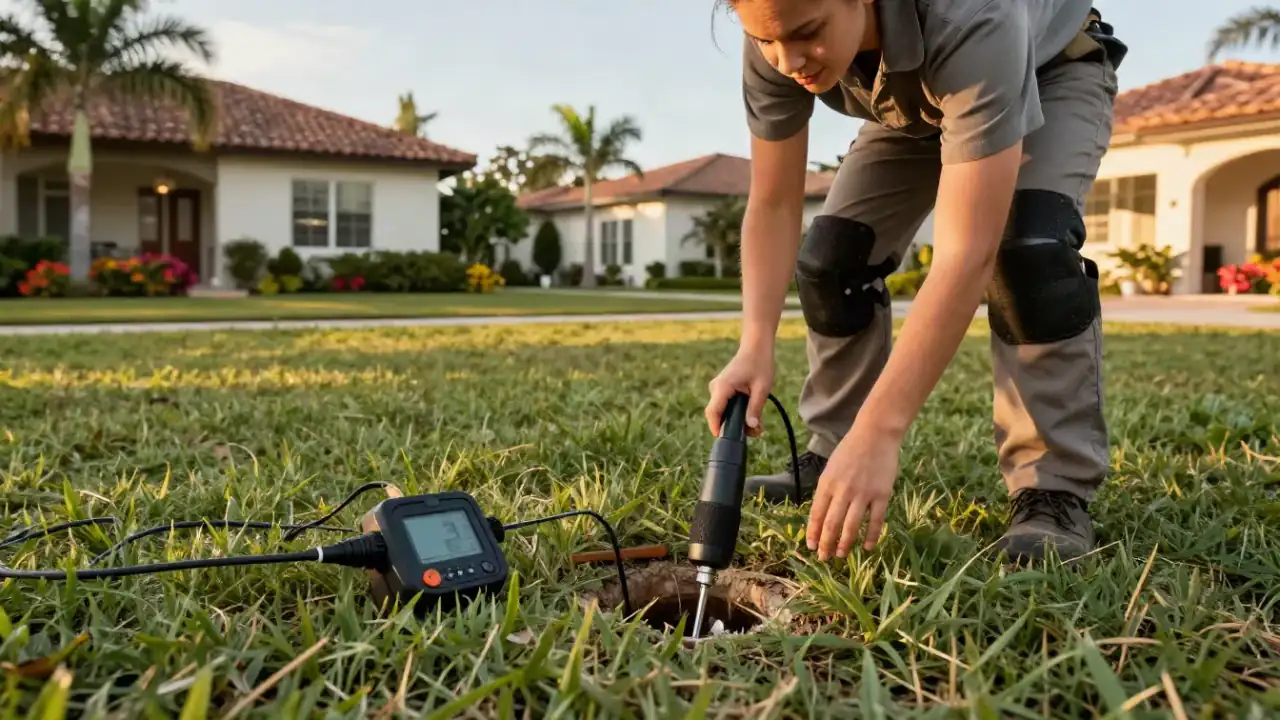
A ceiling stain appears after a summer storm in Wellington and grows over two days.
We scan the ceiling with thermal imaging and check the attic for roof leaks and pipe runs. If the stain tracks a supply line, we use acoustic equipment to confirm the pinhole.
Outcome: You get a marked leak location and a repair price the same day, before the drywall softens further.
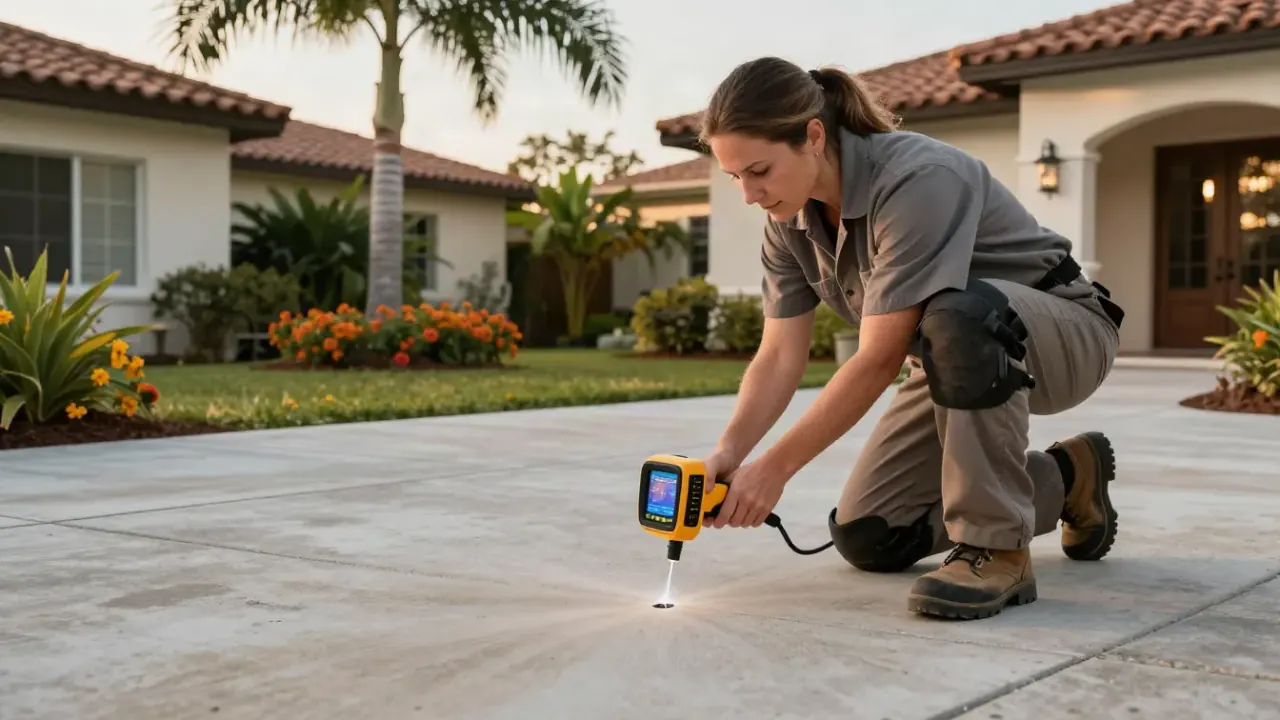
We isolate the pressurized side, then trace the line from the meter into the home. Ceiling and wall leak tracing near me calls like this often end at a slab leak or a failed fitting behind a bathroom wall.
Outcome: The leak is found and repaired, and your next water bill returns to normal.
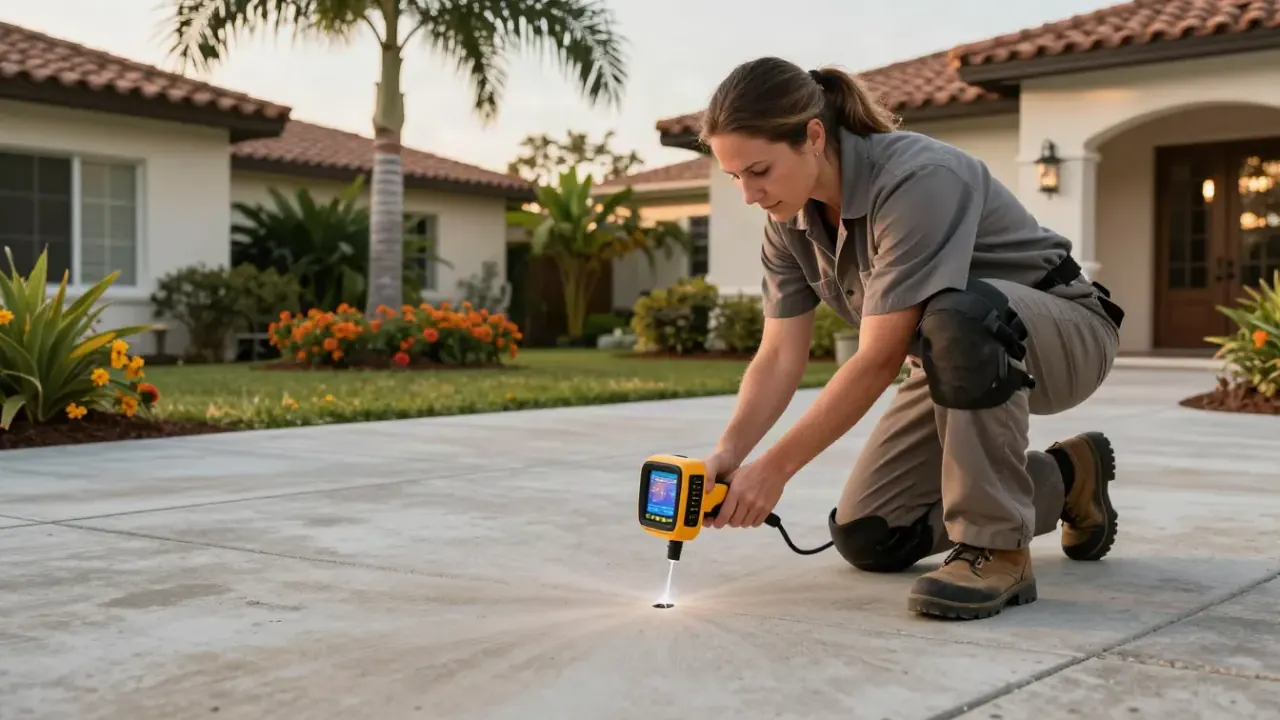
A musty odor lingers in a bedroom even though the walls look dry.
We take moisture readings across the wall and scan with a thermal camera. Hidden damp spots show up as cool areas, and we follow them to the leak.
Outcome: The leak is fixed, the cavity is dried, and the odor clears within a few days.
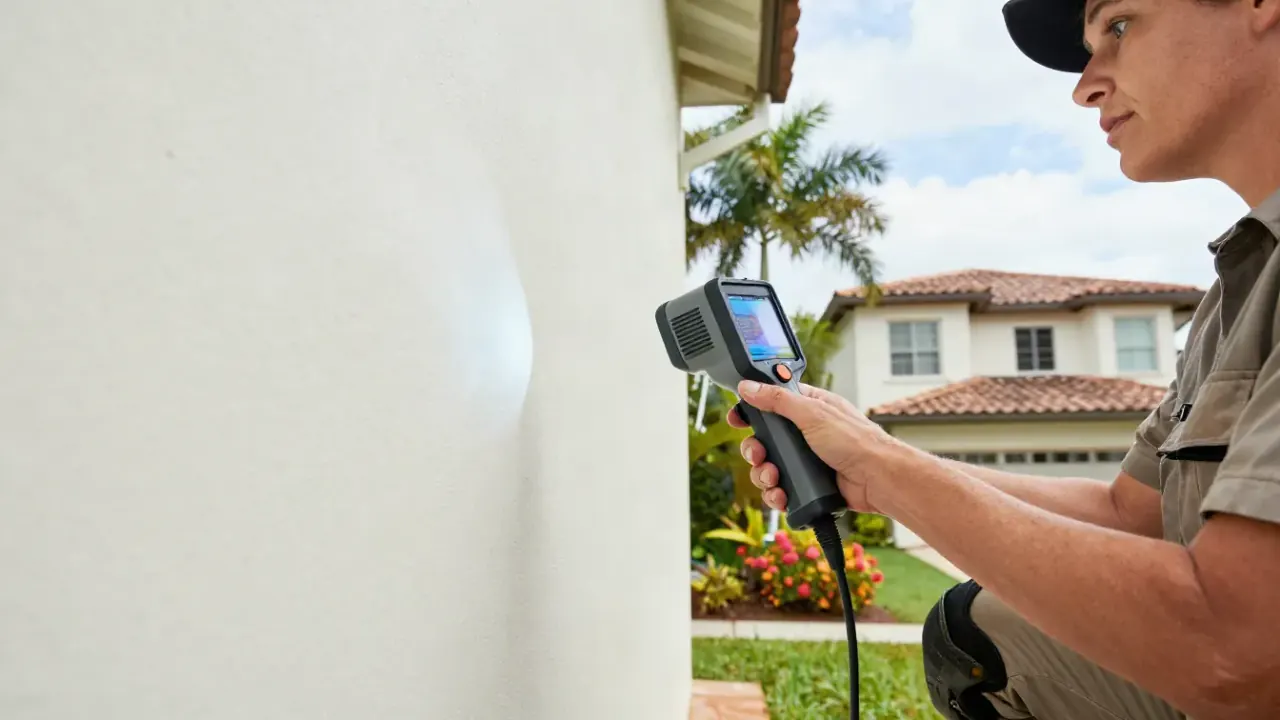
A commercial tenant reports a stained ceiling tile in a Wellington office.
We trace the leak above the ceiling grid with thermal and acoustic tools, working around business hours. We document the findings for the property manager and the tenant.
Outcome: The leak is located without closing the office, and the repair is scheduled with minimal disruption.
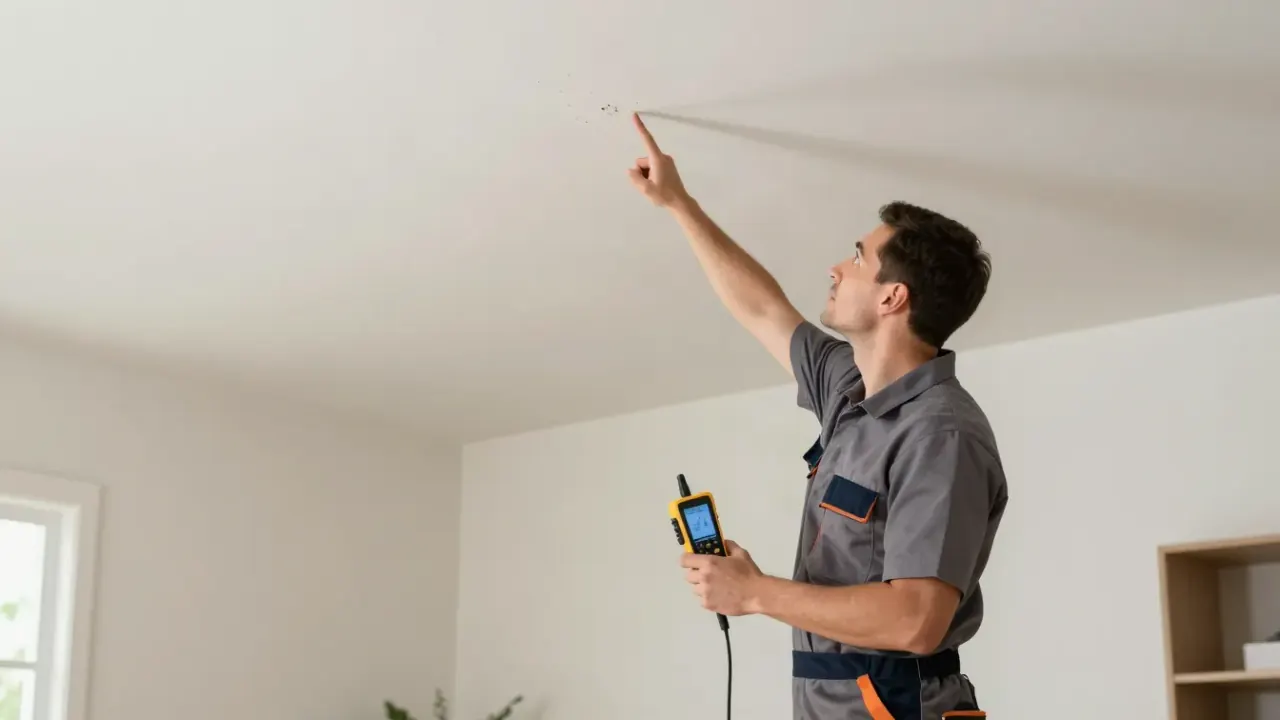
Wellington homes face a specific mix of leak risks. Summer afternoon storms push water through roof flashing and wall penetrations, while the year-round humidity keeps wall cavities damp long after the rain stops. Many homes built in the 1980s and 1990s still have copper pipe that develops pinhole leaks, and some neighborhoods have polybutylene supply lines that fail at the fittings.
The high water table in parts of Palm Beach County also puts pressure on underground lines and slab plumbing. When we trace a ceiling leak in Wellington, we start with the most likely culprits for your neighborhood and building age. That local experience speeds up the job and keeps the access hole small.
If you need affordable ceiling leak detection in Wellington FL, call (561) 760-4218 and we will schedule a same-day appointment.
Before: A brown stain spread across a bedroom ceiling after a storm. The homeowner feared a roof leak and was ready to call a roofer. The stain grew another two inches over three days.
After: We traced the stain to a pinhole leak in a copper pipe 12 feet away in the attic. The repair took one hour, and the access hole was 8 inches square. The drywall was patched and painted the same week.
We recommended checking the attic for damp insulation each spring and keeping the water bill in view. A sudden jump is the earliest sign of a new pinhole leak.
Before: A musty odor lingered in a first-floor bedroom for weeks. The walls looked dry, but the smell got worse. The homeowner had already replaced the carpet once.
After: Thermal imaging found a failed CPVC fitting inside the wall. We opened a 10-inch access panel, replaced the fitting, and dried the cavity. The odor cleared in four days and the carpet stayed dry.
We suggested running the bathroom fan longer after showers and checking the baseboards for soft spots twice a year. Early detection keeps the repair small.
Before: The meter spun even with all fixtures off. Two other companies could not find the source.
After: We traced the loss to an irrigation line seeping into the garage wall. The zone was isolated, the break was repaired, and the wall was dried. The next bill returned to normal.
We recommended checking the irrigation controller for stuck zones after each rainy week and watching the meter once a month. That habit catches underground leaks early.
Hidden leaks do not stay hidden forever. Here are the problems Wellington homeowners call us about most often, and what happens if they are ignored.
A marked leak location means a smaller repair and less drywall damage.
We pinpoint the leak with thermal imaging cameras and acoustic listening devices before anyone opens a wall. That means one small access hole instead of a torn-out ceiling.
Call before noon and we can usually be at your door the same day. Ceiling leak detection Wellington jobs get priority when an active stain is spreading. We arrive with a full toolkit, confirm the source, and give you a repair plan before we leave your driveway.
A leak above your ceiling can start 20 feet away from the stain. We use electromagnetic pipe locators and moisture meters to map the whole path. That is how we catch slab leaks, pinhole leaks in copper pipes, and irrigation line leaks that other companies write off as condensation.
You get photos, moisture readings, and a marked-up diagram of where the leak is and how far the water traveled. Hand that report to your insurance adjuster or your plumber. It documents the damage and makes the repair bid accurate instead of a guess.
What a written scope covers and what shapes it. Prices are set by the business after the first look.
Included
Depends on
Clear records you can keep and share.
Thermal images and moisture readings
Marked pipe path and leak location
Written cost for the fix
Confirmation the leak is stopped
Not every stain is a supply leak. Knowing the difference speeds up the trace.
Pressurized water line leaking behind a wall or above a ceiling.
Waste line leaking only when fixtures are used.
Water entering through roof or wall penetrations during rain.
A list like this tells people straight away whether you cover their street. Not listed? Call and ask: it only takes a minute.
Based in Wellington and covering the places around it. Pick one for local details.
We start with a visual check and a water meter reading, then scan the ceiling with a FLIR thermal imaging camera to find temperature differences caused by moving water. An acoustic listening device and moisture meters confirm the exact spot. On slab or buried lines we add tracer gas. Most ceiling leaks are located in two to four hours without opening the ceiling.
The most common causes we find are pinhole leaks in copper pipes, failed CPVC fittings, roof flashing that lets in storm water, and condensate drain lines that clog in the summer humidity. In older Wellington homes, polybutylene supply lines are another frequent culprit. A stain that grows during rain usually points to the roof or a wall penetration, not a supply pipe.
Emergency calls and commercial properties cost more. We quote the fee before we start, and the tracing cost is often credited toward the repair if you hire us for the fix.
Yes. We use thermal imaging cameras, acoustic listening devices, and electromagnetic pipe locators to see through drywall and find the leak source. We only open a small access hole at the exact leak point, usually 6 to 12 inches square. That is far less invasive than the exploratory demolition most homeowners expect, and it saves hundreds in drywall repair.
Other services from the same team.
A spreading ceiling stain will not fix itself. We trace the leak, show you the evidence, and give you a written repair price. Call (561) 760-4218 for same-day service across Wellington and Palm Beach County.
Call us at (561) 760-4218 or email info@wellingtonleakdetection.com. Most inspections are scheduled same-day or next-day. We serve Wellington and all of Palm Beach County.